The Quiet Revolution: Why Neuro-Inclusive Design is the New MICE Gold Standard in Frankfurt 2026
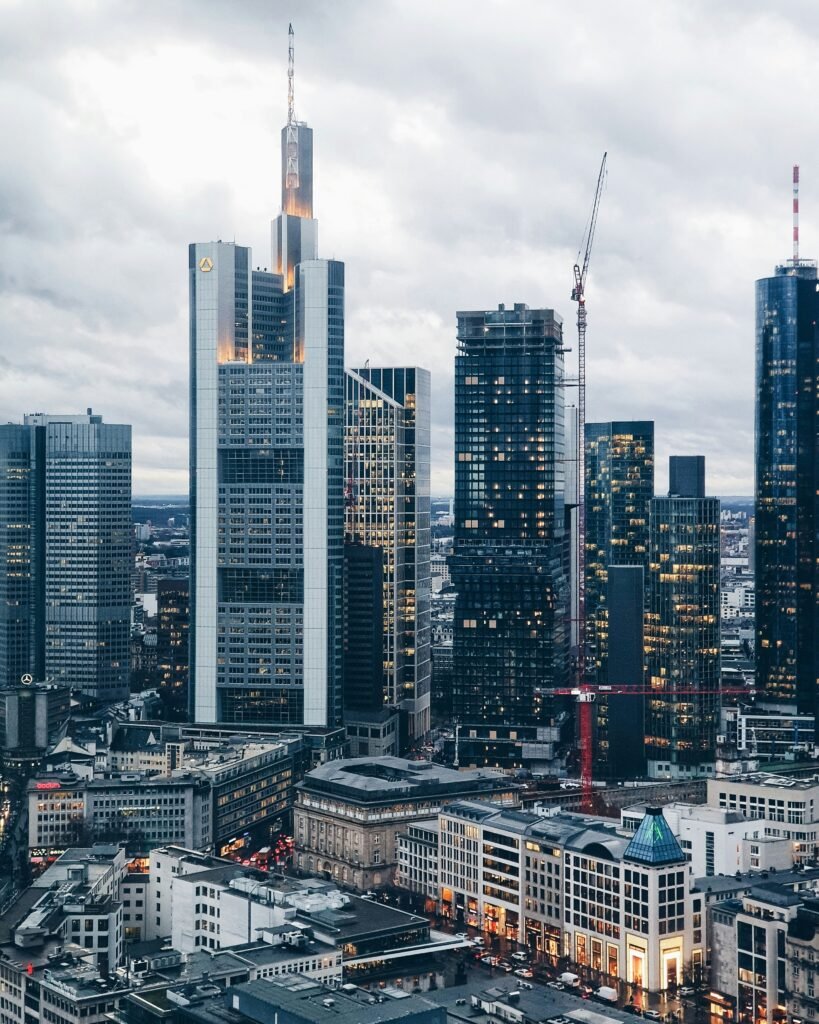
In 2026, the global MICE industry has reached a critical turning point. While the previous years were defined by “Phygital” tools and “Slow MICE” sustainability, the current year is defined by Neuro-inclusion. Frankfurt, a city that moves at the speed of the global markets, has officially become the laboratory for this human-centric shift through its “Frankfurt for All” urban inclusion framework.
For corporate leaders and event planners, neuro-inclusion is no longer a “nice-to-have” checkbox—it is a strategic imperative. In a high-pressure environment like Frankfurt—where the cognitive demands of finance, logistics, and tech converge—failing to design for the 15-20% neurodivergent population means losing the innovative edge of one-fifth of your talent pool.
Beyond the Surface: What is Neuro-Inclusive MICE?
Neuro-inclusive design in the Frankfurt MICE sector refers to the intentional creation of environments that cater to the diverse ways human brains process information. In 2026, this has evolved from simple “quiet rooms” into a city-wide ecosystem of cognitive accessibility, seamlessly integrated into venues from the historic Römerberg to the massive halls of Messe Frankfurt.
The Psychology of the Modern Delegate
The 2026 delegate in Frankfurt is “over-optimized.” Between high-speed 6G connectivity at the DE-CIX hub and AI-driven networking, the cognitive load has never been higher. Research now shows that “Sensory Overload” is the primary driver of event attrition. Frankfurt’s MICE leaders are combatting this by utilizing Neuro-wellness—a design philosophy that balances high-intensity interaction with periods of sensory regulation, often utilizing the city’s “Green Belt” for cognitive resets.
The Strategic ROI: Why Frankfurt 2026 Brands are Pivoting
The shift toward neuro-inclusive MICE in Frankfurt isn’t just about ethics; it’s about Sovereign Return on Engagement (S-ROE). When an attendee is sensory-overwhelmed, their ability to retain information and network effectively drops to near zero.
1. Maximizing Intellectual Capital
Neurodivergent individuals often possess high-level skills in pattern recognition, creative problem-solving, and hyper-focus. By removing sensory barriers—such as flickering fluorescent lights or the aggressive “hum” of industrial HVAC systems—Frankfurt events are unlocking a tier of intellectual capital that was previously “muted” by traditional design.
2. Reducing “Event Burnout”
In 2026, the success of a summit at Messe Frankfurt or Kap Europa is measured by the energy levels of delegates on Day 3. Frankfurt DMCs now report a 25% increase in session attendance when events implement “white space” schedules and sensory-regulated zones, as delegates no longer feel the need to retreat to their hotel rooms to recover.
3. Radical Inclusivity and Brand Loyalty
The spending power of the disabled community in Germany (often referred to in the context of Inklusion) is a massive economic driver. Brands that demonstrate a deep commitment to neuro-inclusion in 2026 are winning the “War for Talent” and building a level of brand loyalty that traditional marketing cannot buy.
Frankfurt’s Infrastructure for Neuro-Inclusion: The 2026 Landscape
Frankfurt has a unique advantage: its world-class logistics and the German commitment to precision. From the Frankfurt Smart City initiative to specialized venue charters, the city is built to be navigated by every mind.
Key Venues Leading the Charge
| Venue | Neuro-Inclusive Innovation in 2026 |
| Messe Frankfurt | Features permanent “Acoustic Cocoons” and AI-driven “Sensory Navigators” across its 11 halls. |
| Kap Europa | The first venue to receive the 2026 Neuro-Sustainability Gold Seal, featuring adaptive biophilic lighting. |
| Jahrhunderthalle | Historic elegance meets modern neuro-tech, providing AI-driven “Cognitive Summaries” of all sessions. |
| The Squaire (Airport) | Specialized “Transition Zones” for international delegates to reset after flights before entering high-stimulus events. |
The “Neuro-District”: Gateway Gardens
Much like London’s King’s Cross, Frankfurt’s Gateway Gardens has emerged as a 2026 “Neuro-District.” Here, venues are equipped with IoT Sensory Sensors that automatically adjust ambient light and sound levels based on the crowd’s real-time stress signals (measured through opt-in wearable data).
Speaker & Content Design: Preparing for a Neuro-Diverse Audience
A venue can be perfect, but if the content delivery is exclusionary, the ROE fails. In 2026, we provide specialized Speaker Briefing Packs focused on “Cognitive Load Management.”
1. The 20-10-20 Rule
In the high-pressure Frankfurt financial scene, we’ve pioneered the 20-10-20 format: 20 minutes of high-intensity delivery, 10 minutes of “Processing Silence” or low-stakes reflection, and 20 minutes of multi-modal Q&A.
2. Visual Clarity Standards
- High-Contrast, Low-Clutter: Slides are audited for “Visual Noise.” We avoid flashing transitions and complex charts that can be overwhelming for dyslexic or ADHD attendees.
- Bionic Reading Overlays: For virtual and hybrid participants, we provide real-time Bionic Reading captions on-screen, highlighting the first few letters of words to help the brain “zip” through text faster.
3. The “Unplugged” Keynote
A rising trend for Frankfurt 2026 is the Analog Keynote. In venues like the Goethe House or the Städel Museum, we host sessions with zero screens, utilizing only natural light and high-fidelity acoustics. This acts as a cognitive reset, allowing delegates to anchor their learning to the speaker’s human presence.
Core Pillars of a Neuro-Inclusive 2026 Itinerary
As your premier Frankfurt DMC, we engineer cognitive experiences.
- Pre-Event (Reducing Predictability Anxiety): We provide every attendee with Virtual 3D Site Tours (digital twins) and Sensory Maps highlighting “High-Stimulus” areas vs. “Low-Stimulus” zones.
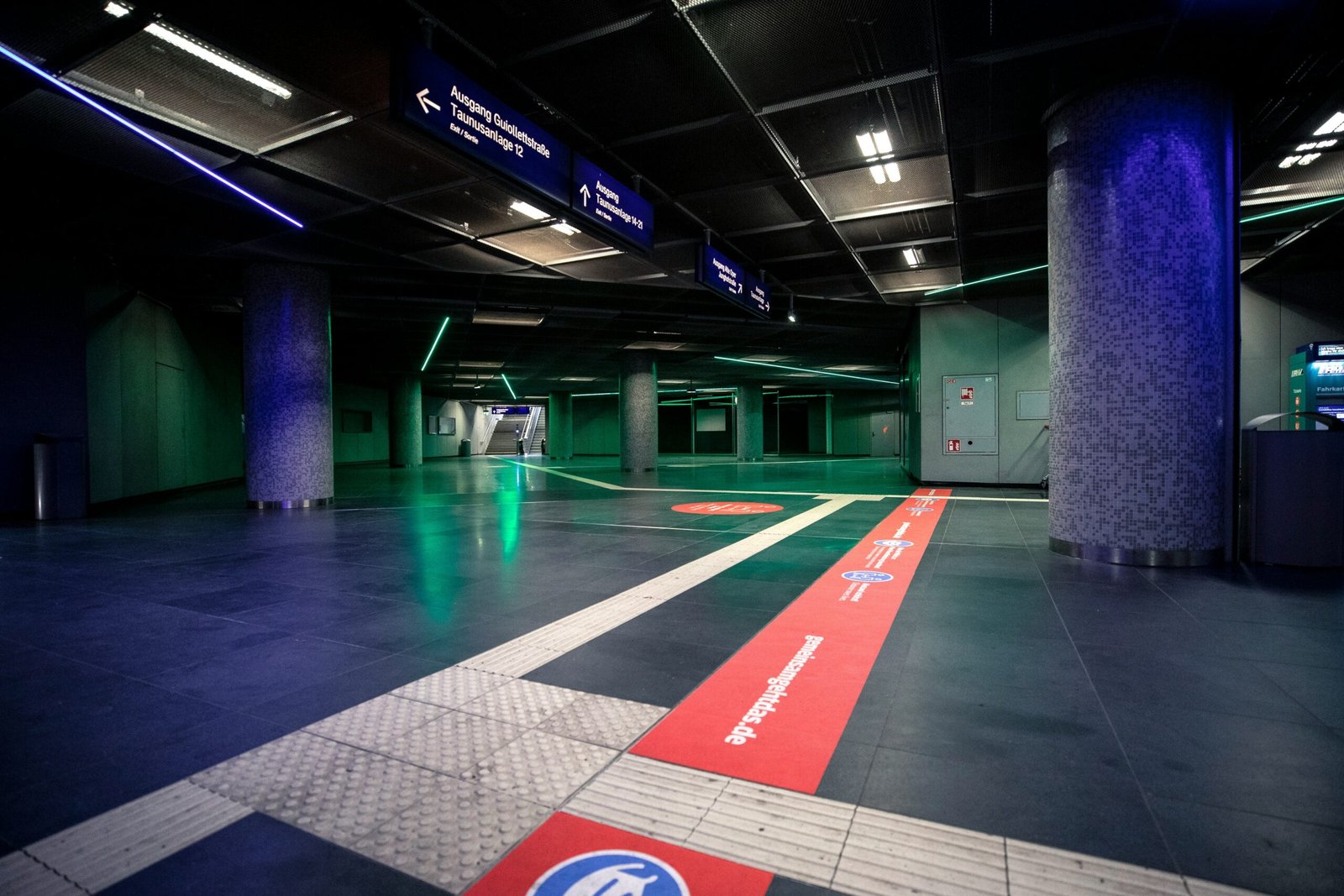
- On-Site (The Atmospheric Inclusion Layer): We utilize Neuro-inclusive Wayfinding. Instead of overwhelming signage, we use color-coded paths and haptic floor markers to guide delegates with minimal cognitive effort.
- Post-Event (Knowledge Persistence): Our AI-driven platforms provide Knowledge Capsules—multimodal summaries (text, audio, and visual mind maps) of every session, allowing for post-event digestion at the attendee’s own pace.
The Sensory Menu: Neuro-Inclusive Catering in Frankfurt 2026
In 2026, Frankfurt’s catering scene has evolved from standard organic certifications into Sensory-Profile Catering. As your local Frankfurt DMC, we recognize that traditional Hessian food—often heavy, aromatic, and communal—requires a sophisticated redesign to accommodate neurodivergent delegates.
Catering for the Five Cognitive Profiles
We collaborate with Frankfurt’s premier sustainable providers, such as GOOSE Gourmet and Accente, to deliver menus categorized by sensory impact:
- The “Low-Aroma” Hessian Buffet: Essential for those with hyperosmia. We take traditional favorites like Frankfurter Grüne Soße (Green Sauce) and serve them in chilled, well-ventilated zones. By focusing on cold-pressed versions and omitting pungent toppings like raw onions or heavy vinegar, we provide the nutrients of the “seven herbs” without the olfactory overwhelm.
- Texture-Transparent Menus: Detailed digital menus that describe the “mouthfeel” of German classics. For example, a Frankfurter Würstchen is described for its firm-textured, thin-skin snap, while Handkäse is offered in modified, smoother consistencies for those who find the traditional “firm but translucent” texture a tactile challenge.
- Hydration Stations with Purpose: Moving away from the grind of noisy coffee machines, we implement “Silent Tea Sanctuaries.” These feature infusions from the nearby Taunus mountains, specifically blended to promote cognitive focus and reduce cortisol levels during high-pressure trade fairs at Messe Frankfurt.
“Family Style” vs. “Niche Nook” Dining
Large, echoing gala dinners in the Kaisersaal are being replaced by Zoned Dining. In 2026, a Frankfurt gala features a central vibrant networking zone, but it is always flanked by “Quiet Dining Nooks” where the lighting is dimmed to a warm 2700K and background noise is replaced by a low-frequency ambient soundscape.
The 2026 “Trust Protocol” in Neuro-Design
Ethics and data privacy are the foundations of neuro-inclusion. In Frankfurt, we adhere to the 2026 Trust Protocol, ensuring that any biometric or sensory data used to adjust venue environments is decentralized and owned entirely by the attendee.
We use Edge Computing—locally within venues like Kap Europa—to process stress-level data. This ensures that personal physiological signatures never leave the venue’s secure perimeter, complying with the strictest evolution of GDPR.
Case Study: The 2026 Frankfurt FinTech Inclusivity Summit
- The Challenge: 2,000 delegates, high-intensity atmosphere, and a history of “Day 2 Fatigue.”
- The Solution: We implemented a “Silent Keynote” system (delegates choose audio levels via headsets), built a 400sqm “Biophilic Sanctuary” inspired by the Frankfurt Green Belt, and utilized AI agents to pre-schedule “Quiet Matchmaking” sessions.
- The Result: 94% attendee satisfaction rate. Day 3 attendance was 30% higher than the 2025 event. Over 40% of delegates utilized the sensory pods, proving that neuro-inclusive design benefits everyone, not just the neurodivergent community.
Measurement: Tracking the “Sovereign Return on Engagement” (S-ROE)
The final piece of the 2026 puzzle is measurement. We utilize the Frankfurt S-ROE Framework to prove impact without intruding on privacy.
- Opt-in Biometric Sentiment: Using wearable tech (like smart rings), delegates can “Opt-In” to share anonymous data. This creates real-time “Stress Heatmaps.” If data shows a spike in heart-rate variability in Hall 11, the AI concierge can automatically trigger a “Sensory Alert,” suggesting attendees move to a nearby quiet zone.
- The “Masking” Metric: “Masking” is the exhausting process of hiding neurodivergent traits to fit in. Our post-event surveys measure the “Ease of Belonging” score. A high score here is the leading indicator of long-term business relationship success and brand trust.
- Longitudinal Impact Tracking: Traditional MICE metrics stop 24 hours after the event. Our Knowledge Persistence tools track how many “Knowledge Capsules” are opened in the 30 days following the event. In Frankfurt, neuro-inclusive events typically see a 40% higher post-event engagement rate, as attendees have the mental energy to actually apply what they learned.
Conclusion: Designing for the 100%
The future of MICE in Frankfurt isn’t about high-tech for the sake of it—it’s about using technology to make the world more human. By 2026, the industry has proven that neuro-inclusive design is not a niche requirement; it is a universal upgrade. By designing for the neurodivergent 20%, you inadvertently create a more focused, comfortable, and productive experience for the 100%.
In 2026, a truly successful event—whether it takes place overlooking the Main river or within the high-tech halls of Messe Frankfurt—is one where every brain feels at home. When we reduce the cognitive tax on our delegates, we maximize the collective innovation of our industry.
Ready to lead the revolution with a Neuro-Inclusive Frankfurt Strategy?
As your premier Frankfurt DMC, we don’t just book rooms; we engineer cognitive journeys. We are ready to help you implement the pillars of 2026 event success:
- Neuro-inclusive Wayfinding: Color-coded paths and haptic floor markers designed for the specific logistics of German trade fair grounds.
- The 20-10-20 Content Rule: Structured sessions that prioritize “Processing Silence” to ensure information retention.
- Sensory-Profile Catering: “Low-Aroma” and “Texture-Transparent” Hessian-inspired menus that nourish without the overwhelm.